
When Sheffield Wednesday beat Leicester City 2-1 in September 1996, the result sent David Pleat’s side five points clear at the top of the Premier League. What do you think the attendance was that evening for this once-in-a-lifetime moment for a set of fans often derided by their neighbours as being obsessed with attendances? Surely, it was a sell-out, with thousands of ticketless fans left devastated at missing out on a piece of history.
Not quite. The crowd that night was 17,657, which wasn’t even Wednesday’s lowest attendance in the league that season. That came in November, when only 16,390 turned up for the 2-0 win against Nottingham Forest, Wednesday’s first win since that Leicester game.
Attendances fluctuated wildly that season, as they did most seasons pre-Chansiri. Just under 39,000 turned up for the season finale against Liverpool, while most games sat around the low-to-mid twenty thousands. There can’t be many teams in Premier League history whose highest and lowest attendances in one season were over 22,000 apart.
Such unpredictability is terrible for business planning. Ask Amazon, Nike or Béres what their revenue will be for each of the next 12 months, and they will give you an accurate prediction. If they didn’t know, they would be unable to earmark investment aimed at growing the business.
Why did Wednesday’s attendances fluctuate so much?
The crux of the answer lies in the club’s historically low season-ticket sales, and the reason behind that is twofold.
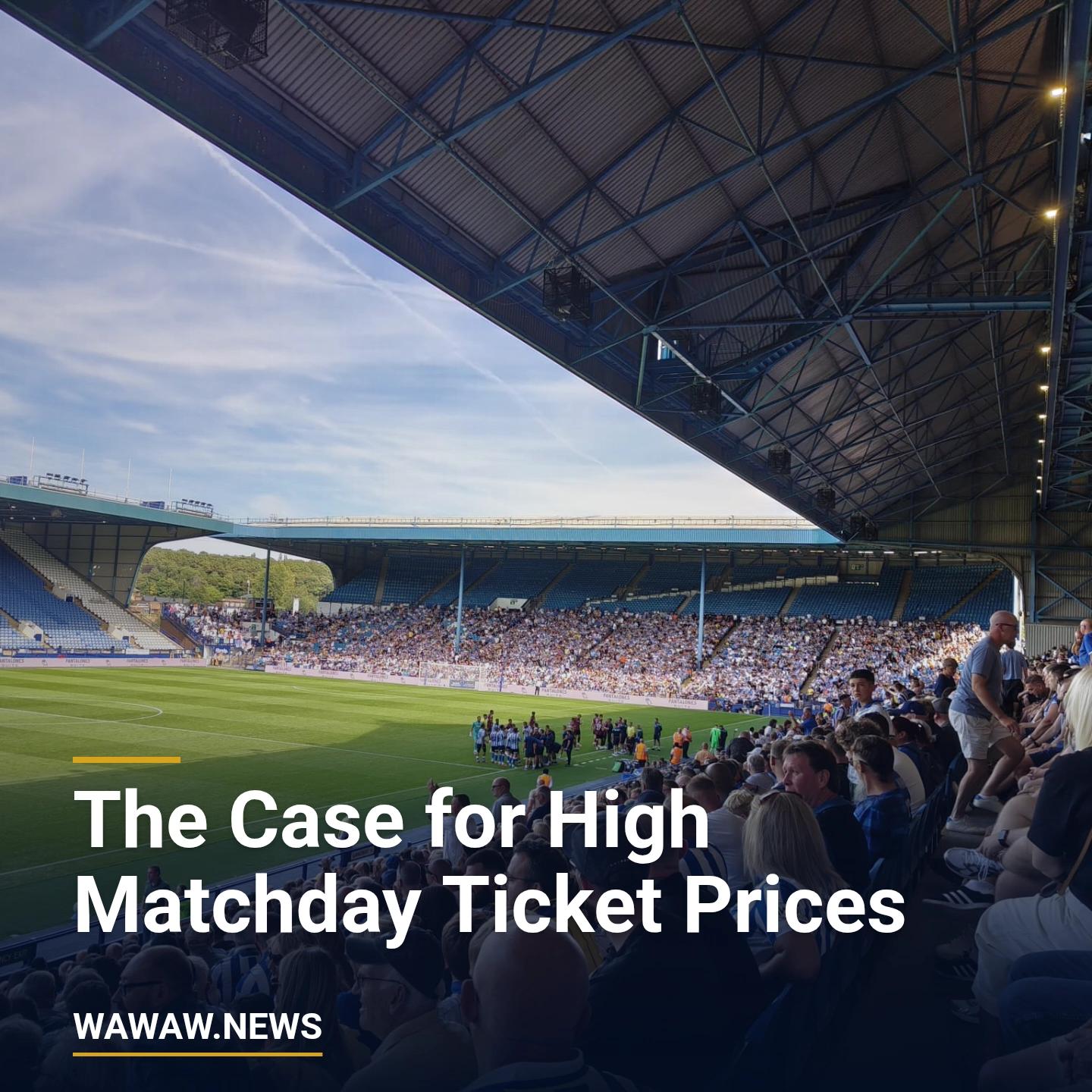
First, Hillsborough Stadium is too big for the Owls. Why bother buying a season ticket when you know you can pick and choose your games without missing out on a ticket for the biggest matches? If Wednesday had played in a 28,000-seater stadium in those Premier League years, fans wanting to attend matches against Liverpool or Manchester United would likely have needed a season ticket to guarantee entry.
Having a ground with a lower capacity is why clubs with smaller fan bases, like Norwich City, often post higher average attendance figures than Wednesday. Canaries know they must buy a ticket for the whole year or likely miss out on watching a game at all. Sure, their club misses out on a few thousand fans for the big matches, but they more than make up for that with the guaranteed footfall spread across the season.
Second, matchday ticket prices were too low in comparison to season-ticket prices. As a child, sitting on the Kop in the 1993-94 season cost me, if I recall correctly, £4.50 per match. Such pricing makes picking and choosing games a more appealing option than committing to the cost of a season ticket. The above-mentioned Leicester and Forest games had been moved to Sky, and when that happened, usually 6-8,000 fans stayed away. And when the team isn’t performing and there’s little incentive to buy a season ticket, it becomes much easier to simply not go.
The season-ticket incentive
Chansiri’s business prowess is rightly mocked, but one thing he got right was to increase the matchday prices relative to the cost of a season ticket. The message is clear: if you’re planning on going to a few games in S6 this season, you’ll be better off buying a season ticket. Picking and choosing the big games is now a less attractive option. The number of season tickets sold and the stable attendances that we’ve seen over the past decade are testament to the fact that this strategy works.
The moral argument
The only reasonable argument against this policy is a moral one: it punishes those who can only afford to attend one or two games a season. This is true, but has been mitigated by the introduction of categories. If an adult non-member cannot afford the £34 to watch the Bradford City game, there are options such as £27 for Bromley or £15 for the League Cup match against Bolton Wanderers.
Ultimately, do fans want Sheffield Wednesday run as a members’ club, the way football clubs were operated for most of the 20th century? All decisions made with the fans’ best interests at heart? If so, then matchday ticket prices should be lowered.
But if fans want a club that is competitive no matter what division the team finds itself in, then it must be run as a business. And the business case is clear: to stabilise revenue and allow longer-term planning, a club with Sheffield Wednesday’s oversized stadium needs high matchday prices to push supporters into buying season tickets. The last decade has proven that this works.