
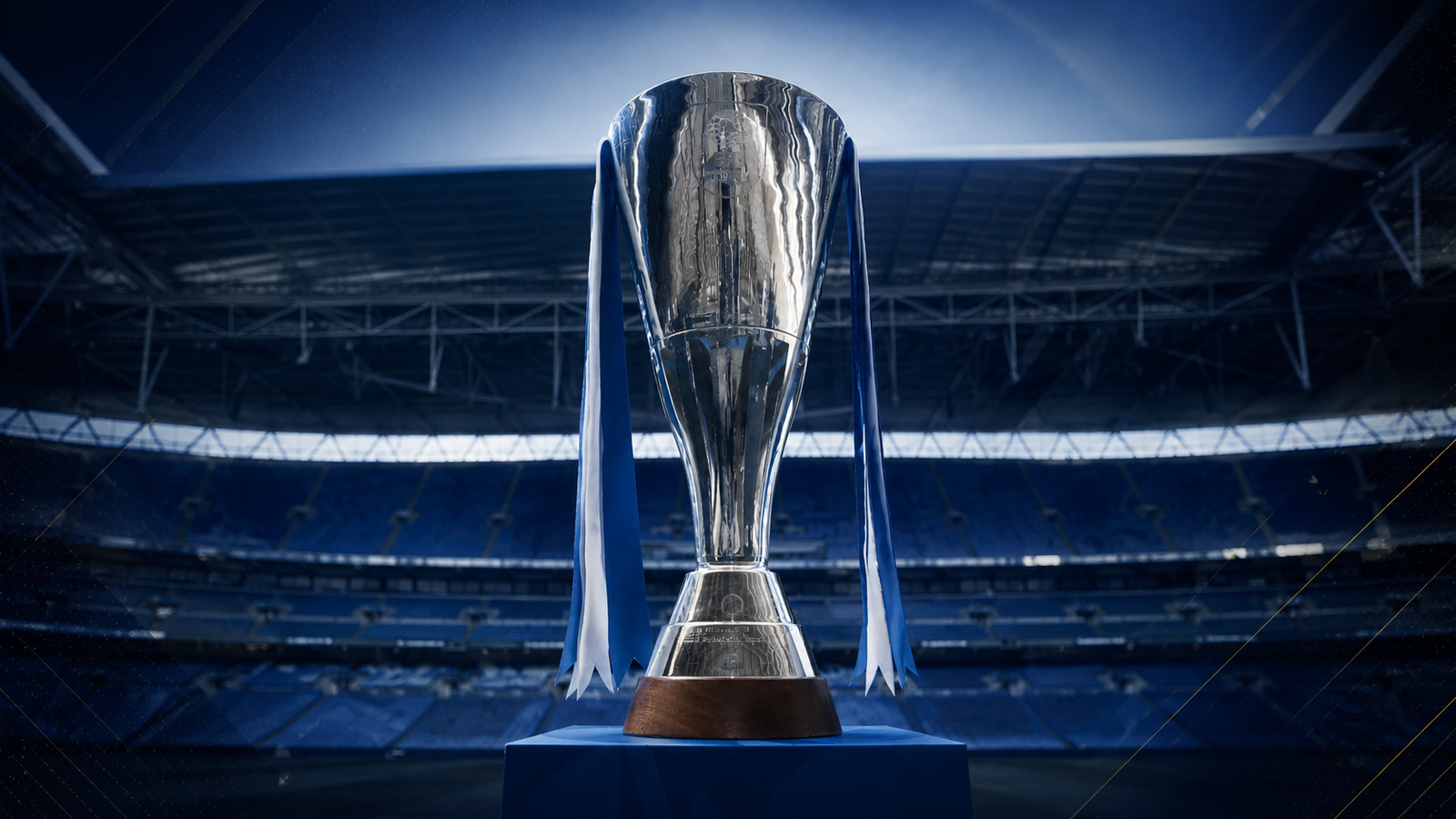
There are certain things in life that remind you just how far you have fallen. They are unavoidable, and being there is the last thing you want. However, you have to accept it, endure it and hope it does not happen again.
Yet here we are. Sheffield Wednesday will play in the Football League Trophy — or whatever sponsorship name it carries these days — during the 2026/27 season.
There is a strong argument that any need for this competition has long since disappeared.
There may be some hypocrisy on my part, as I regularly bemoan teams for failing to take the League Cup and FA Cup seriously. Those trophies are generally won by the biggest clubs, and much of the traditional magic of the cup has undoubtedly faded.
The reasons for that are well known, but they do not relate to the structure of the competitions themselves. Instead, they are largely the result of greed and misplaced priorities elsewhere in football.
In the case of the Football League Trophy, however, its lack of identity is central to its struggles.
Surprisingly, the competition has now been around for more than 40 years, but it has never really found a permanent home or a clear purpose. It began as the Associate Members’ Cup, later became the Football League Trophy and is now officially known as the EFL Trophy.
It was created with the noble intention of giving clubs in the third and fourth tiers an opportunity to play at Wembley. On the surface, that seems like a good idea, but the introduction of the play-offs has made that purpose increasingly irrelevant.
Winning the Football League Trophy does not compare with the glory or reward of a play-off final victory. Nor does it offer the prospect of European football provided by success in the League Cup or FA Cup.
It often feels as though the Football League is keeping the trophy alive through sheer stubbornness.
There is an almost bizarre enforcement of rules restricting how many changes teams can make from their previous league fixture. This feels like an unnecessary overstep. Clubs should be allowed to prioritise matches as they see fit while using players from within their registered squads.
It is also entirely different from the debate surrounding weakened teams in crucial end-of-season fixtures, where team selection can have a direct impact on promotion or relegation.
Back in 2011, Gary Megson famously stuck two fingers up at the rules by making three substitutions just a few minutes into Wednesday’s Trophy tie against Bradford City. Yet here we are, 15 years later, and the regulations have still not relented.
The other domestic cup competitions have retained a straightforward knockout format, but the constant insistence on group stages in the EFL Trophy makes it feel cumbersome.
The exact format of those groups has been tinkered with repeatedly since the competition began. It creates unnecessary additional fixtures during an already crowded season, at a time when player workload is becoming an increasingly prominent issue across modern football.
The competition has also been expanded to 64 teams. Perhaps FIFA took inspiration from it. Will we eventually see matches played across several countries as well?
The introduction of Premier League Under-21 teams was the ultimate death knell for the competition.
This is supposed to be a trophy offering something special to Football League clubs. Instead, it is now used as a training exercise by wealthy Premier League sides that stockpile young talent.
Football League clubs are required to enter, while Premier League academies can seemingly join or withdraw whenever it suits them. Group-stage matches involving Under-21 sides have largely produced low attendances and a significant amount of ill feeling.
There are unprecedented levels of hope around Hillsborough at the moment, but even that will not generate much excitement for a dud competition.
There have been some impressive attendances at the final over the years, and that is undoubtedly a positive. Should Wednesday reach Wembley, it would provide a relatively risk-free day out and give the fans another opportunity to see the club play at the national stadium.
It would be churlish to begrudge anyone that experience. However, a meaningful run in either the League Cup or FA Cup would still be far more appealing.
It feels as though the Football League has forgotten the value of those competitions, and that has clouded its priorities.
Wednesday’s proud distinction of being the last club from outside the top flight to win a major domestic trophy is unlikely to be matched any time soon. However, lower-league cup runs can still capture the imagination.
Look at Grimsby Town’s FA Cup run in 2023, for example, or Bradford City reaching the League Cup final in 2013. Even in the modern game, the story of the underdog remains compelling.
It may only happen once or twice in a season, but the underdog will always have their day. Those are the moments in which Football League clubs can create genuine and lasting cup memories.
One final argument in favour of the EFL Trophy is that it gives clubs an opportunity to blood young players.
However, teams already play 46 league matches each season. That is more than enough football in which to gradually introduce academy players and provide them with first-team experience. Their development is also supplemented by regular appearances at Under-21 level.
A match against West Ham United Under-21s in front of 500 people is unlikely to tell us very much.
As a Wednesday fan, my abiding memories of the competition are hardly inspiring.
It formed part of the infamous “losing four times in one season to Blackpool” disaster of 2003/04. There was also the 2011 defeat on penalties to Bradford, remembered largely for Megson’s early triple substitution rather than anything that happened on the pitch.
Other football competitions have disappeared over time after losing their purpose and relevance.
It is time for this one to be put to bed.